SubZero GD100 Reviews: See Why 0 Shoppers Rated It 0 Stars!
Is the SubZero GD100 microphone worth the hype? These SubZero microphones have fans and critics — see what 0 musicians loved, and what missed the mark.
 Supermod
 Moderator
 Recaptor
SubZero GD100 Microphone Review: A Dynamic Choice for Studio and Live Use
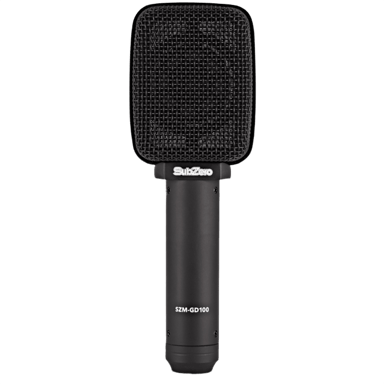
When it comes to finding a microphone that suits both studio and live environments, the SubZero GD100 stands out as a dynamic solution designed specifically for versatile audio capture. Introduced in 2023, this handheld microphone caters to a wide array of users, from beginners to seasoned professionals, making it a notable option in the competitive microphone market.
With a blend of essential specs such as a supercardioid polar pattern and robust metal construction, the GD100 appears built for clear, focused sound pickup without much fuss. But does it really deliver on the promise suggested by its spec sheet? Let's dive deeper into its measurable attributes to see how it holds up.
Detailed Specs & Features
On paper, the SubZero GD100 presents itself as a robust condenser microphone with a classic electret capsule, providing a condenser setup that should offer a good balance between sensitivity and fidelity. Its frequency response range from 50 Hz to 15,000 Hz allows for capturing a broad spectrum of audio details, great for voices and instruments alike, without overly emphasizing extreme highs or lows.
One feature that stands out is its supercardioid polar pattern, designed to isolate the sound source while rejecting off-axis noise, which is critical for live and studio environments where sound clarity is paramount. Furthermore, this mic implements a transformerless design, which generally helps reduce distortion and noise, paired with an impressive signal-to-noise ratio of 75 dB, supporting clean audio capture even in less-than-ideal conditions.
The electrical specifications, including a maximum sound pressure level of 132 dB and a dynamic range of 100 dB, suggest it can handle loud sources without distortion; a definite plus for instruments or live vocals. The mic's XLR connectivity type ensures compatibility with most professional audio equipment. However, it also offers USB power sourcing, hinting at dual adaptability but without an explicit USB audio output interface.
The physical dimensions reflect a compact handheld form, about 6.5 inches tall and weighing 0.58 pounds, making it comfortable for extended use. Its black metal body, accompanied by a matte metal finish and corrosion resistance, supports durability in diverse settings.
User Experience & Performance (Based on Specs)
Design & Build
In daily use terms, the GD100's heavier-than-average weight and all-metal construction offer a reassuring sense of durability, likely reducing vibrations and handling noise. The presence of a sturdy desktop mounting base with a 5/8" mounting thread diameter makes it quite versatile for studio or broadcast setups.
However, the lack of certain protective features,s such as windscreen or shock mount options,s could mean it requires careful handling to avoid audio artifacts in outdoor or rough environments. What makes this notable is the foam internal dampening material designed to subtly reduce internal resonance, enhancing clarity. Although it misses out on water or dust resistance certifications, the corrosion-resistant build hints at reasonable longevity.
Performance
The 100 dB dynamic range combined with a medium transient response means it should handle sharp attack sounds deftly while maintaining overall tonal consistency. Off-axis sound rejection rated at 80 dB suggests the mic effectively focuses on the primary audio source, minimizing background noise and echo, which is key for live or podcast recordings in environments that are not acoustically treated. The somewhat modest sensitivity of -48 dB natively indicates that while it's not the most sensitive mic on the market, it probably maintains a solid, noise-resilient signal.
Audio Quality
With a capsule diameter of 0.7 inches aa nd max SPL tolerance of 132 dB, the mic excels in maintaining audio integrity even during loud sound spikes, reducing distortion risks. Also, its internal preamp quality is standard but sufficient for most professional or semi-professional uses.
The inclusion of a mute function is practical for livestream or broadcast scenarios, enabling quick sound control without external gear. However, the lack of features like gain control, headphone monitoring, or software integration slightly limits user flexibility during recording sessions.
Extra Features
On the flip side, the GD100 doesn't come with advanced DSP processing, noise cancellation, or multi-pattern switching, which newer microphones increasingly offer to tailor sound capture precisely. This straightforward design is a double-edged sword: it potentially means fewer failure points and simpler operation, but less adaptability. It also operates without phantom power requirements or battery options, meaning it depends fully on USB power, which simplifies setup but might restrict some professional uses.
Pros & Cons
Pros
- Durable metal construction with corrosion resistance
- Effective supercardioid polar pattern for noise isolation
- High max SPL and dynamic range suitable for loud sources
- Mute button for quick audio control
- XLR connectivity ensures broad compatibility
Cons
- Lack of advanced features like gain control and software integration
- No shock mount or windscreen included
- No warranty or safety certifications listed
Price & Value For Money
At a very affordable price point of $20 at Reverb, the SubZero GD100 offers remarkable value given its durable build and professional-grade audio parameters, such as the max SPL of 132 dB and strong off-axis rejection capabilities.
While it does omit some modern features and certifications, the essentials are solidly covered, making it an excellent choice for those entering streaming, podcasting, or live instrument recording without a heavy investment. Given its specification set and power consumption of only 0.5 Watts, this microphone satisfies budget-conscious users who prioritize core performance over bells and whistles.
Quick Take
In short, the SubZero GD100 delivers sturdy construction and solid audio quality for a fraction of the cost of more feature-rich models. If we look at the numbers alone, its supercardioid pattern and robust dynamic range make it well-suited for many recording and live environments where straightforward, reliable sound capture is key. However, for those needing more advanced controls or certifications, it might feel limited.
Closing Recommendation
The SubZero GD100 may be ideal for amateur podcasters, streamers, and musicians seeking a dependable, budget-friendly condenser microphone with clear directional pickup. Its uncomplicated design helps users achieve focused sound capture with minimal setup complexity, though professionals seeking advanced features or full warranties might consider other options. Overall, it equips entry-level to intermediate users with solid specs that back up its expected performance.
Verdict
Rating: Based on the specifications and overall feature set, we believe SubZero GD100 deserves 4.0 out of 5.
- Winner Feature => Robust metal body combined with high max SPL and effective noise isolation.
- Needs Improvement => The absence of advanced controls, warranties, and professional certifications limits broader use cases.
Reviews 0
The good, the bad, and the brutally honest.Average Rating


More Microphones 1229
Unlock more awesome finds.